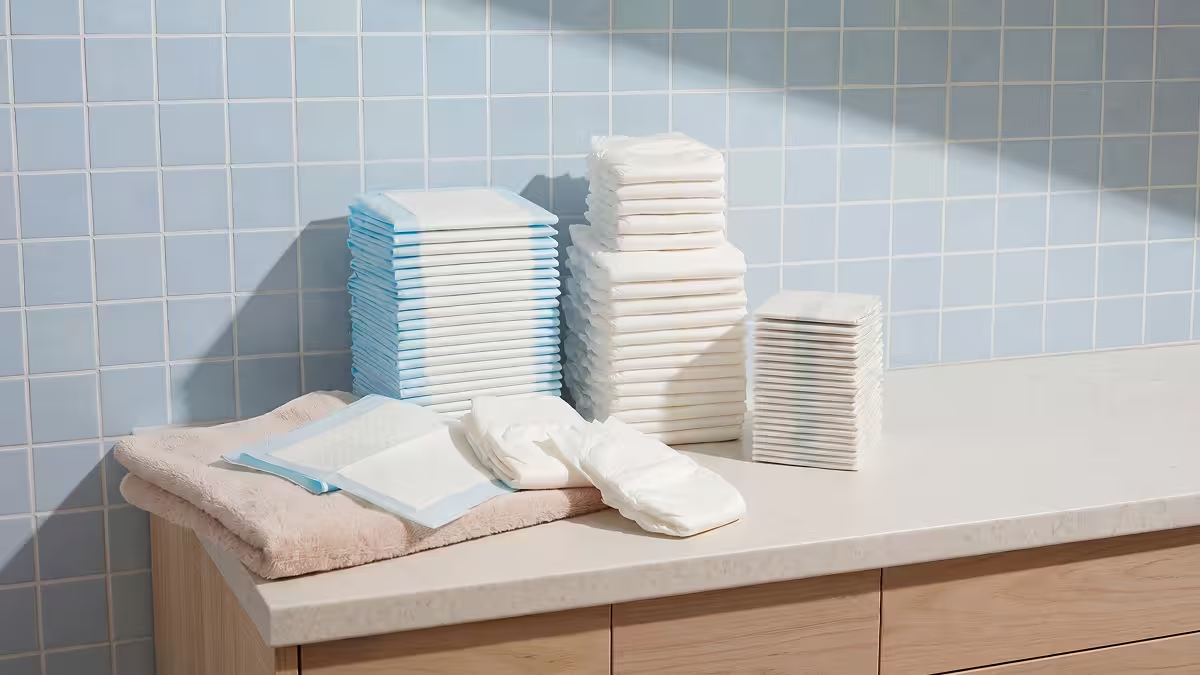
Pads, briefs, and bed pads are all types of incontinence supplies, each designed for a specific purpose. Understanding each option helps you choose what meets your needs.
Key takeaways
- Pads are worn inside your own underwear. Briefs and pull-ups replace your underwear. Bed pads protect the surfaces you sit and lie on.
- Product guides classify pads for light leakage and briefs for moderate to heavy, and many people use more than one type across a day.
- Most state Medicaid programs cover all of them with a documented diagnosis. Original Medicare covers none of them.
What each product is for
Pads and briefs are worn against the skin and vary mainly in absorbency. Bed pads protect furniture, not your body.
How the absorbency levels run
Product guides and state Medicaid categories classify pads and liners at the light end: the leakage that comes with a cough, a sneeze, or a laugh. They're lower-profile than briefs, and they cost less to restock.
Briefs and pull-ups sit in the moderate-to-heavy classifications, built with more capacity for leaks that come more often or with less warning, and made in overnight versions for the hours when changes are further apart. They're also the category designed to handle both bladder and bowel leakage.
Where your situation falls on that range is a conversation, and it's one your Conduit care team has every day. A free 15-minute call with a licensed clinician sorts out which products and quantities fit, and gets the order written.
Why a lot of people use more than one
Using more than one product is common. Some people use a pad during the day and a brief at night, or add a bed pad if getting up to change is difficult. Trying different combinations is normal as you figure out what works best for you.
If you have Medicaid, you can order multiple types of products without extra hassle. Your doctor lists the diagnosis once, then adds the products and amounts you need.
What's covered
Most state Medicaid plans cover pads, briefs, pull-ups, and underpads if your doctor documents the need. In New York, diapers, pull-ups, and liners all count toward one monthly limit, so your care team will ask how you want to split your order. Coverage rules change by state and plan. We'll check your coverage before you order.
Original Medicare does not cover pads, briefs, pull-ups, or underpads. Medicare classifies these as personal care items, not medical equipment, even if your doctor says you need them.
Ready to get your supplies moving? Check your eligibility →
Frequently asked questions
Pads are adhesive inserts worn inside your own underwear, made for light leakage. Briefs and pull-ups are full garments that replace your underwear, made in higher absorbency levels for moderate to heavy leakage. Bed pads are the third category: not worn at all, they protect mattresses, chairs, and car seats.
In most states, yes, when a doctor documents the diagnosis. Worn products often share one combined monthly limit — in New York, diapers, pull-ups, and liners count toward a single cap — while underpads typically have their own. We'll confirm your plan's limits before your first order.
They do different jobs, so most people who need one use both. A brief protects you; a bed pad protects the surface under you. Bed pads are most useful overnight or anywhere changing quickly is hard.
