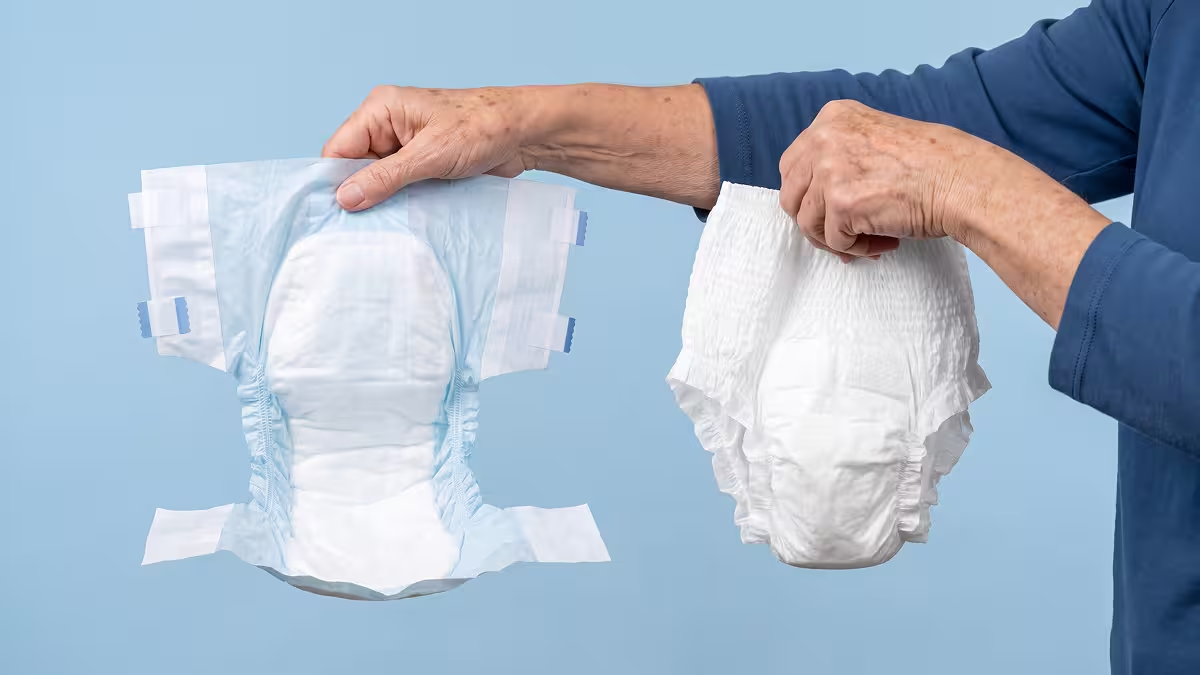
Since Medicaid usually covers both, cost is not a concern for most people. If you’re not sure which design is best, you’re not alone—many people try different options before finding what works.
Key takeaways
- Pull-ups are worn and removed just like regular underwear. Tab-closure briefs open flat and fasten at the sides, making it easier to change them while lying down, which can be especially helpful if you or your loved one needs assistance.
- Briefs offer the highest levels of absorbency. Pull-ups usually provide light-to-moderate absorbency. The right choice depends on your unique needs and what feels most comfortable for you or your loved one.
- Most state Medicaid programs cover both types if you have a documented diagnosis. Original Medicare does not cover either option.
The difference
Pull-ups are used like regular underwear: you step in and pull them up. To change them, you need to stand or lift your hips. According to the National Association for Continence and state Medicaid guides, pull-ups are best for light-to-moderate leakage.
Tab-closure briefs open flat and fasten with tabs on each side. This means they can be put on or changed while lying down, and a caregiver can help without the person needing to stand. The tabs allow for easy adjustments and fit a wider range of body shapes than a fixed waistband. The same guides list briefs as suitable for moderate-to-heavy urinary or bowel leakage.
That’s the main difference: pull-ups are for standing and lighter needs, while briefs are for lying down and heavier needs. A little trial and error is normal.
You can use both
Many people use both types: pull-ups during the day and higher-absorbency briefs at night, when changes are less frequent and more capacity is needed. Medicaid orders can include both products, and in New York, both count toward the same combined monthly limit.
If your needs or preferences change, just let your care team know, and your next order will be updated—no new prescription or paperwork needed.
Choosing the right product for your needs is a clinical decision. That’s why Conduit offers a free 15-minute Conduit Health call. The clinician who writes your order can discuss fit, absorbency, allergies or skin sensitivities, and caregiver needs with you before anything is shipped.
What's covered by Medicare and Medicaid
Most state Medicaid programs cover both products if a doctor documents the diagnosis. Original Medicare does not cover them because it considers absorbent supplies personal care items rather than durable medical equipment. This rule has been in place for decades, even though it may seem unusual.
If you only have Medicare, some Medicare Advantage (Part C) plans offer an over-the-counter allowance that can be used for these products. Some states also have assistance programs, so it’s worth checking with them. Coverage depends on your state and specific plan. We will confirm your coverage before finalizing your order. For more details, see our guide to getting your incontinence supplies covered.
Ready to get started with your supplies? Check your eligibility
Frequently asked questions
The main difference is how they close. Pull-ups are put on and taken off like regular underwear, so you change them while standing. Tab-closure briefs open flat and fasten at the sides, allowing you to change them while lying down and adjust them without removing anything.
In general, yes. Product guides list briefs in the highest absorbency category, while pull-ups are in the light-to-moderate range. However, both types come in different absorbency levels, so the specific product is important too.
